

A practical comparison of software freedom, app access, compatibility evidence and project responsibilities before an Android TV box RFQ is approved.
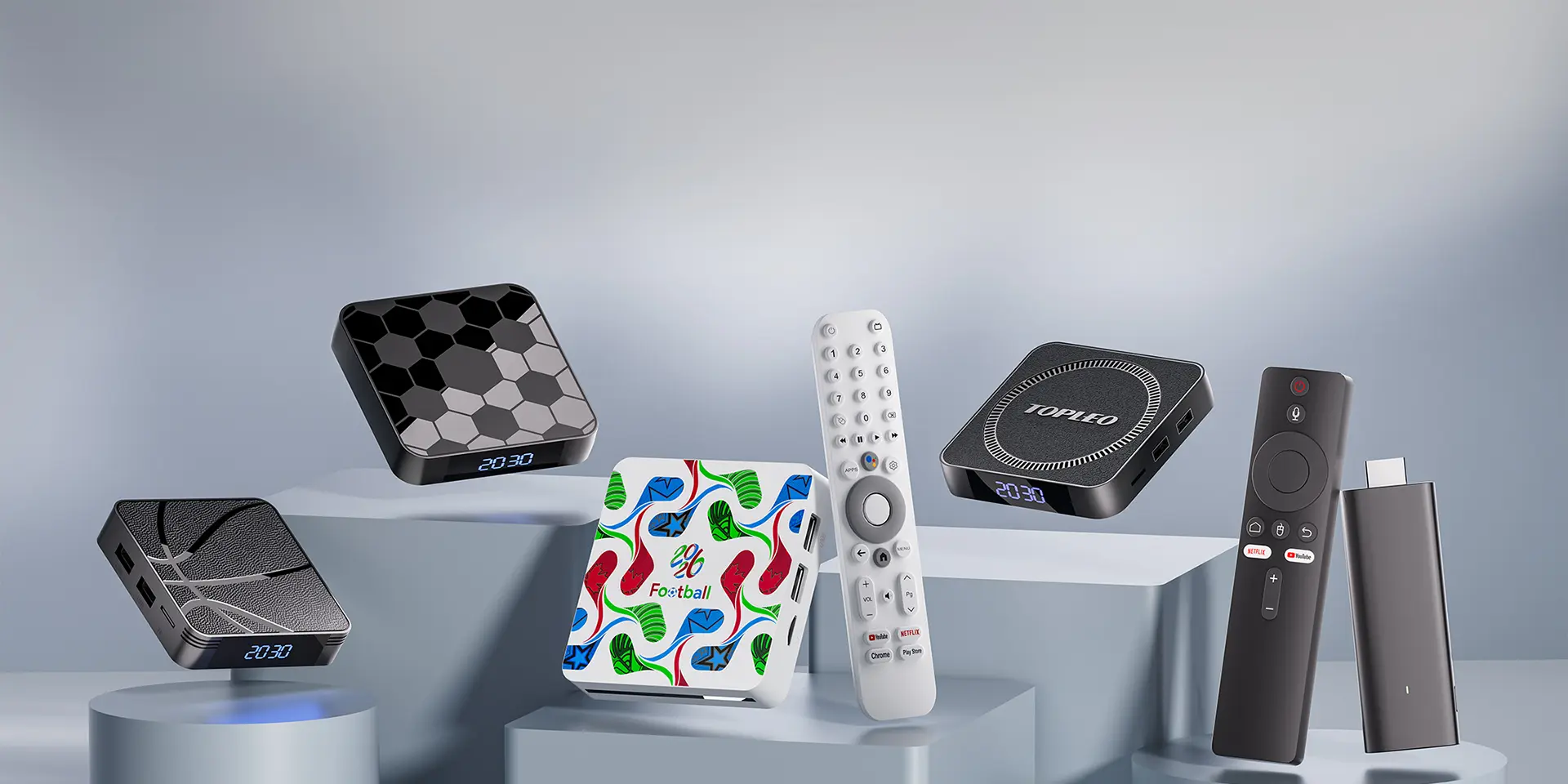
Short answer: Choose an AOSP route when the project needs a defined custom software experience and the buyer can manage the required applications, updates and compatibility scope. Choose a Google TV route only when the exact device version follows the applicable Google licensing and compatibility path. Do not treat a launcher that looks like Google TV as proof of platform authorization.
The difference is a product-program decision
AOSP is the open-source Android codebase. A device maker can use it as the foundation for a media device and customize the interface, settings and permitted applications. Google services and branding are separate from the open-source code. Android’s official compatibility documentation states that access to Google Play and related branding is not automatic: compatibility is a prerequisite, and licensing remains a separate step.
For a private-label buyer, that distinction affects far more than the home screen. It changes which applications can be preloaded, which services are available, how software updates are managed, what test evidence is relevant and which claims can appear on packaging or product pages.
Compare the routes across six buyer questions
| Question | AOSP-based box | Google TV box route |
|---|---|---|
| Application source | Defined by the project; do not assume Google Play access. | Confirm the apps and services available on the exact licensed version. |
| Interface customization | Can support a project-defined launcher and settings within the agreed firmware scope. | Customization must stay inside the rules and approved scope of the platform program. |
| Compatibility evidence | Buyer-defined functional tests plus any applicable Android compatibility evidence. | Request evidence tied to the exact model, build and market; do not accept a generic logo claim. |
| Updates | Define update ownership, recovery files, cadence and support period in the project. | Confirm both device-firmware responsibility and any platform-related update obligations. |
| Branding | Private-label artwork must not imply access to services that are not included. | Platform names and marks require the applicable authorization and artwork rules. |
| Best fit | Controlled deployments and custom software programs with a clearly managed app stack. | Programs that require the licensed Google TV experience on a verified device version. |
What evidence should a buyer request?
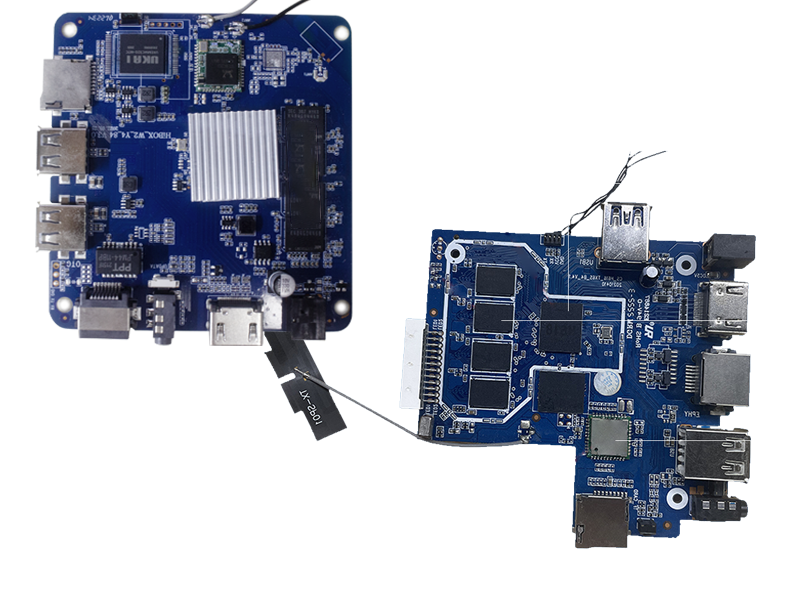
Start with identity. Record the commercial model, board revision, chipset, memory and storage, Android version, build number, launcher, remote and market. Then ask the supplier to map every platform statement to that configuration.
- A screenshot or report showing the exact firmware build and device identity.
- The intended application list and the source of each application.
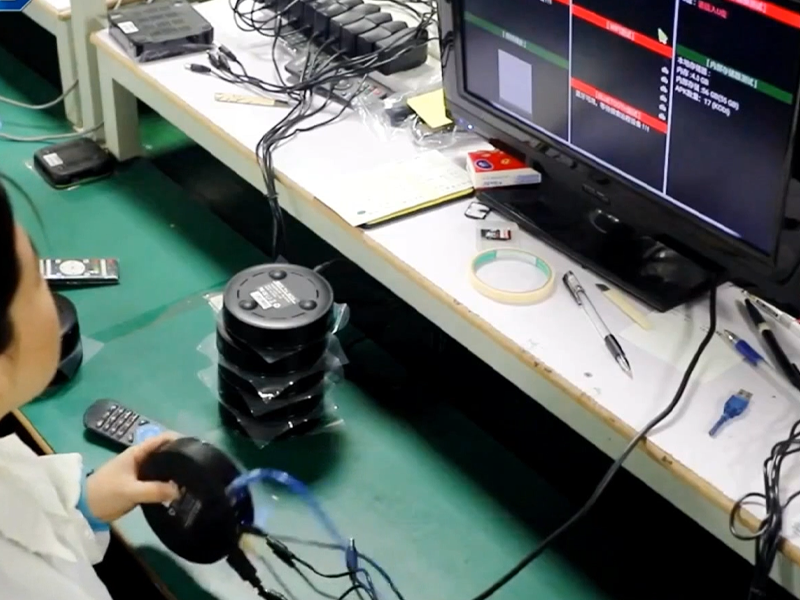
- Functional test results for boot, HDMI, Wi-Fi, Bluetooth, remote, playback, reset and update behavior.
- The applicable compatibility or platform documents for the exact certified version, where required.
- Written responsibility for firmware maintenance, OTA delivery and recovery files.
- Approved wording and artwork rules for any platform name or mark.
Put these decisions in the RFQ
- Target market and sales channel: country or region, language, retail or project deployment.
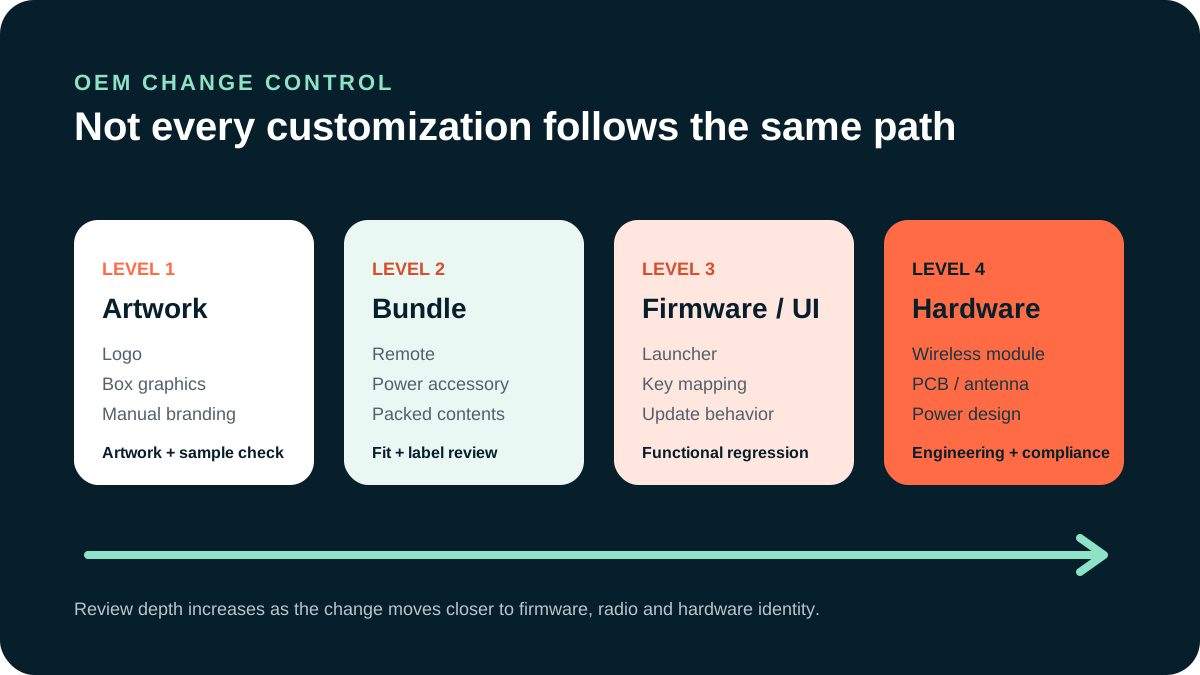
- Platform route: AOSP-based or exact certified Google TV version; never write “either” if app access is a release requirement.
- Required apps: list must-have services and whether preload, download or customer installation is expected.
- Customization: launcher, boot animation, settings, remote keys, OTA, packaging and documentation.
- Verification: specify the evidence and sample tests needed before approval.
If the platform route is unresolved, request two separate configurations and quotations. Combining them in one vague line makes it hard to compare price, timing, evidence and software responsibility.
A simple decision rule
Use AOSP when the buyer controls the software experience and accepts responsibility for defining the app and update model. Use a Google TV route when the licensed platform experience is a non-negotiable market requirement and the supplier can map it to the exact device version. In both cases, approve the physical sample, firmware identity, documentation and packaging as one configuration.
Sources
- Android Open Source Project: Android Compatibility program overview
- Android Open Source Project: Compatibility FAQs
- Android Open Source Project: Compatibility Test Suite overview
Defining an Android TV box platform route?
Share the target market, required applications, configuration, remote, packaging and test requirements for a model-specific scope review.