

How design ownership, engineering responsibility, firmware, tooling and change control differ—and what a buyer should define before requesting a quotation.
Short answer: In common sourcing usage, OEM usually starts with a buyer-controlled design or detailed specification, while ODM usually starts with a manufacturer-controlled product platform that the buyer adapts. The labels are not enough: the signed scope must define ownership, permitted reuse, firmware access, tooling, testing, documentation and change control.
OEM and ODM are scope labels, not complete contracts
An OEM project may range from manufacturing a complete buyer design to modifying an existing platform under a buyer specification. An ODM project may range from logo and packaging changes to deeper work on enclosure, board, firmware or user interface. Industry usage varies, so two suppliers can use the same term for different work. TOPLEO’s current project modules are described on the OEM/ODM capabilities page.
Replace the label with a responsibility matrix. It should identify who provides the product definition, industrial design, circuit design, PCB layout, firmware source and binaries, applications, mechanical files, tooling, bill of materials, test fixtures, certification samples, production tests, packaging and after-sales update files.
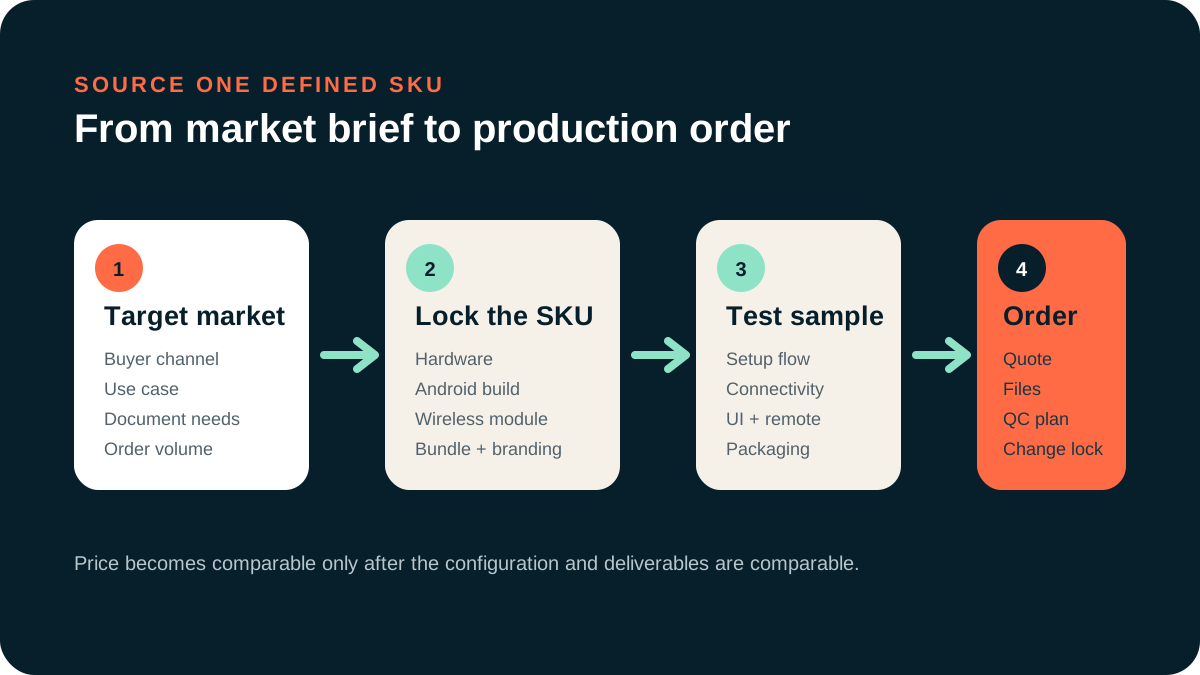
OEM vs ODM comparison
| Decision area | Typical OEM starting point | Typical ODM starting point | What the buyer must confirm |
|---|---|---|---|
| Product design | Buyer design or detailed specification | Manufacturer platform or reference design | Exact files, revision and permitted changes |
| Engineering | Manufacturing engineering plus agreed development | Adaptation of an existing platform | Included work and paid development scope |
| Ownership | Often buyer-controlled inputs; new work depends on contract | Underlying platform often remains with manufacturer | Background IP, project IP and reuse rights |
| Tooling | May be buyer-funded and project-specific | May use shared or existing tooling | Owner, location, maintenance and transfer rights |
| Speed and cost | Depends on design maturity and validation needs | Can be simpler when the platform already fits | Actual sample and production plan—never the label alone |
Which model fits your project?
Choose a platform-led ODM route when
- An existing hardware and enclosure already meet the core requirement.
- Differentiation is mainly configuration, firmware settings, UI, accessories, branding or packaging.
- The buyer accepts the defined platform ownership and future component-change process.
- Validation can focus on the adaptations and target-market requirements.
Choose a deeper OEM or custom-development route when
- The product has buyer-created mechanical, electronic or software architecture.
- Exclusive structure, interfaces, performance or industrial design are central to the business case.
- The buyer needs defined control over tooling, source files, test assets or supply-chain decisions.
- The existing platform cannot meet the required validation or change-control rules.
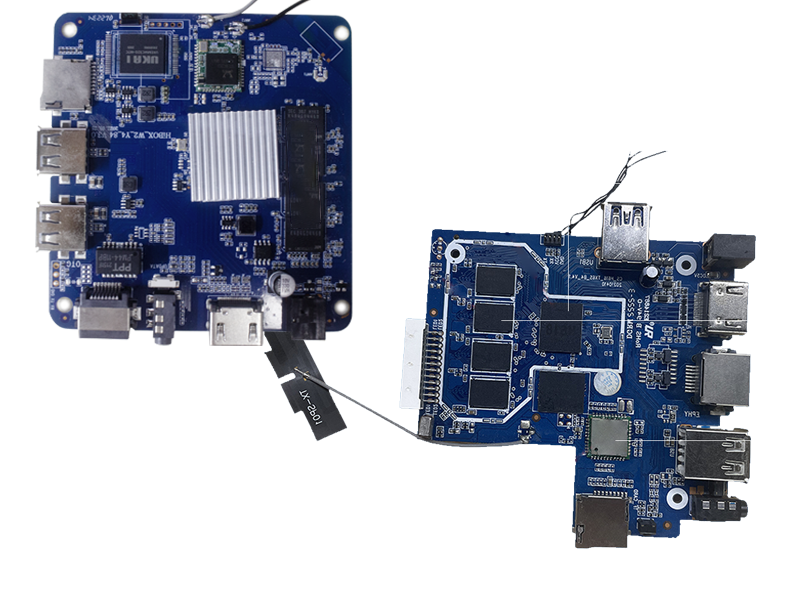
Many electronics projects are hybrid. A manufacturer platform may be combined with a custom enclosure, remote, firmware, application, packaging or test specification. Describe each module instead of forcing the whole project into one label.
Ownership and reuse questions
Before exchanging sensitive design files, decide what needs an NDA and what can be shared for quotation. The agreement should distinguish pre-existing intellectual property from work created for the project. WIPO guidance on intellectual-property assets emphasizes defining supplied machinery, blueprints, drawings, manufacturing specifications and test equipment; the same discipline is useful in an electronics manufacturing scope.
- Who owns the industrial design, PCB design, firmware changes and application code?
- May either party reuse project-specific work for another customer or supplier?
- Who owns and can physically control molds, fixtures, programming tools and test jigs?
- What files are delivered, in which format and at which milestone?
- What happens to project files and tooling when production stops?
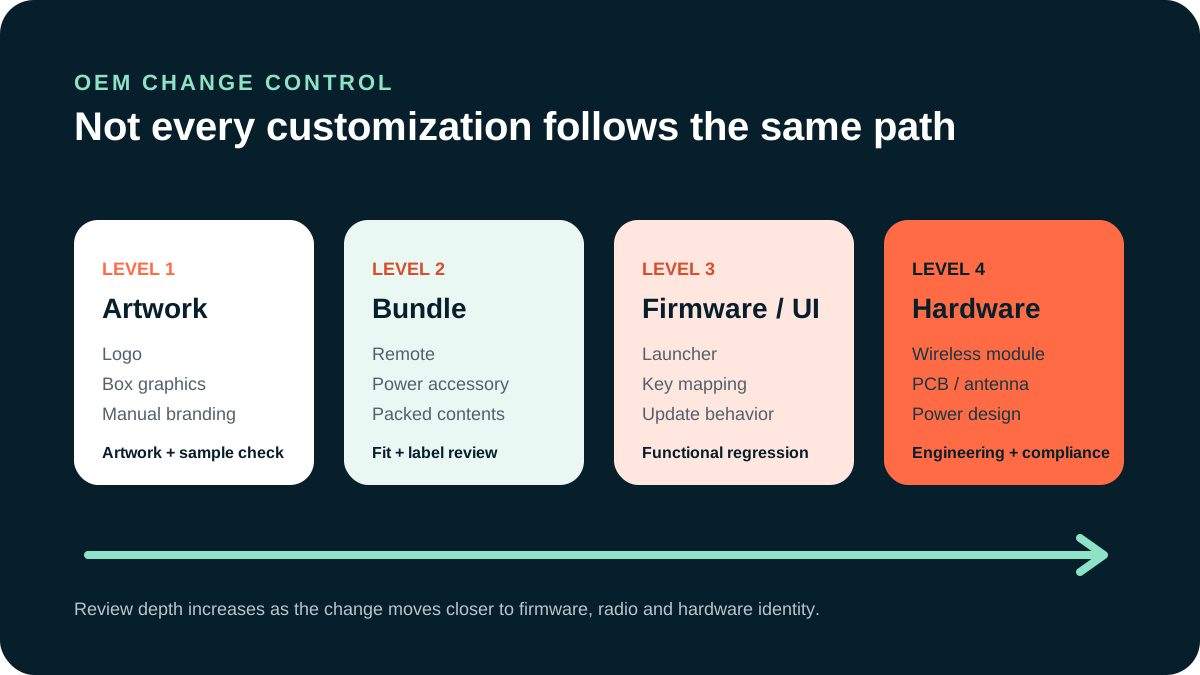
Firmware, platforms and certified versions
For Android-based electronics, specify whether the project uses AOSP or a separately approved certified platform route. Google/GTV and Netflix/NTV statements apply only to the exact certified model version supported by the relevant authorization and evidence. A similar enclosure or model family name is not sufficient.
Define the build owner, update method, change log, recovery file, application list, localization, boot assets, test responsibility and post-shipment support. If source code is not included, record what binaries, configuration files and update services will be available.
What to put in the RFQ
- Product target: use case, target market and required product type.
- Configuration: hardware, interfaces, memory and storage options, software route and accessories.
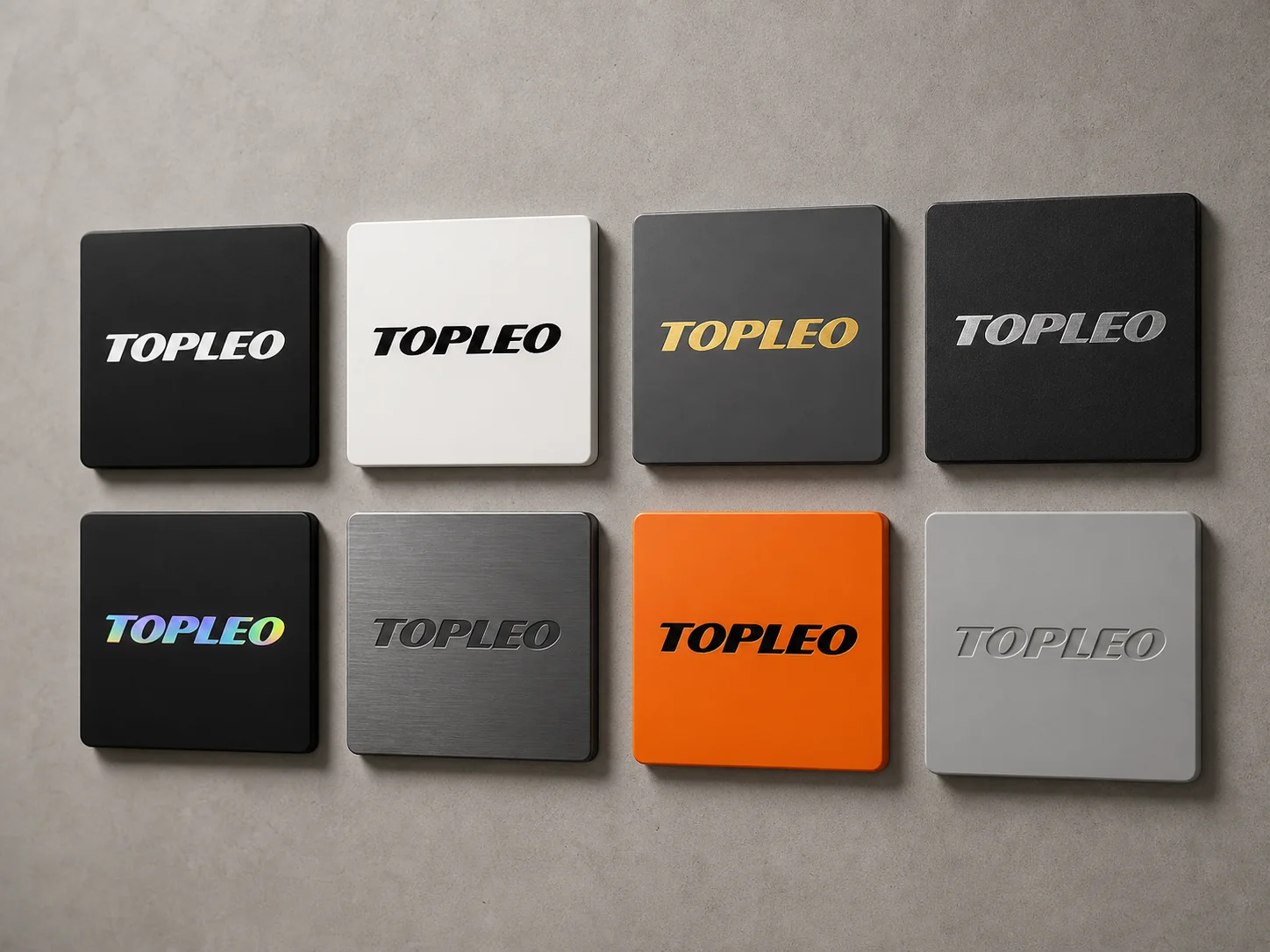
- Customization: enclosure, color, logo, UI, remote, packaging and documentation.
- Evidence: required test reports, version-specific platform evidence and buyer validation.
- Commercial inputs: estimated quantity, sample need, trade terms and target schedule for supplier confirmation.
- Ownership: tooling, files, firmware, project changes and permitted reuse.
A good RFQ marks every item as required, preferred, optional or open for supplier proposal. This makes quotation differences visible and reduces the risk of comparing unlike scopes.
Use stage gates from sample to production
| Gate | Decision | Minimum record |
|---|---|---|
| Feasibility | Can the proposed platform meet the requirement? | Scope, exceptions and responsible owner |
| Engineering sample | Do core functions work on the defined build? | Configuration, issues and test results |
| Golden sample | Is the version ready to control? | Signed sample ID, files and open deviations |
| Pilot | Can the process repeat the sample? | Process data, inspection and corrective actions |
| Mass production | Can changes remain controlled? | Approved BOM/build and change notices |
Sources
- WIPO: Exploiting Intellectual Property Assets
- WIPO Intellectual Property Handbook
- Android Open Source Project: Compatibility Test Suite overview
Need to define an OEM or ODM scope?
Send the product type, target market, configuration, customization and estimated quantity. TOPLEO can separate the existing platform, custom work and evidence requirements before quotation.
[…] selectionHow to Choose an Android TV Box OEM/ODM ManufacturerManufacturing modelOEM vs ODM Electronics ManufacturingProject questionsTOPLEO OEM/ODM […]
[…] testingAndroid TV Box Firmware Stability ChecklistProject routeOEM vs ODM Electronics ManufacturingCapabilitiesTOPLEO OEM/ODM Project […]
[…] planning. Then separate included platform work from paid development and buyer-supplied files. The OEM vs ODM guide explains how to turn these labels into a responsibility […]
[…] Sample approvalHow to Evaluate a Smart Projector SampleScreen selectionALR vs White Projector ScreenManufacturing modelOEM vs ODM Electronics Manufacturing […]
[…] the project model is still unclear, read OEM vs ODM Electronics Manufacturing before fixing the quotation scope. Review the available TOPLEO OEM/ODM project paths for the […]